Bulgaria on a Budget: The Cheapest Country in the EU
Bulgaria is in the EU, has EU-standard roads and trains, and costs about half what Spain or Italy does. Outside Sofia and the Black Sea coast in August, it is the cheapest travel in the union and one of the least visited relative to what it holds.
What things cost
| Item | Cost |
|---|---|
| Hostel dorm | €10–18 |
| Private guesthouse room | €25–40 |
| Restaurant meal | €6–12 |
| Banitsa and coffee breakfast | €2–3 |
| Intercity bus, 2–3h | €5–12 |
| Museum entry | €3–6 |
A realistic daily budget is €35–50 including a private room rather than a dorm, which is the level at which most travellers stop bothering with hostels here.
The route
Sofia — two days. The Alexander Nevsky cathedral, the Roman ruins visible under the modern city centre, and Vitosha mountain rising directly behind the town, reachable by public transport for a day's hiking. Sofia is more functional than charming, and it is the transport hub.
Rila Monastery — a day trip from Sofia, or better, an overnight. A tenth-century monastery in a mountain valley with painted arcades and striped stonework, and it is the most visually striking building in the country. Staying overnight in the monastery guest rooms is cheap and empties out completely after the day buses leave.
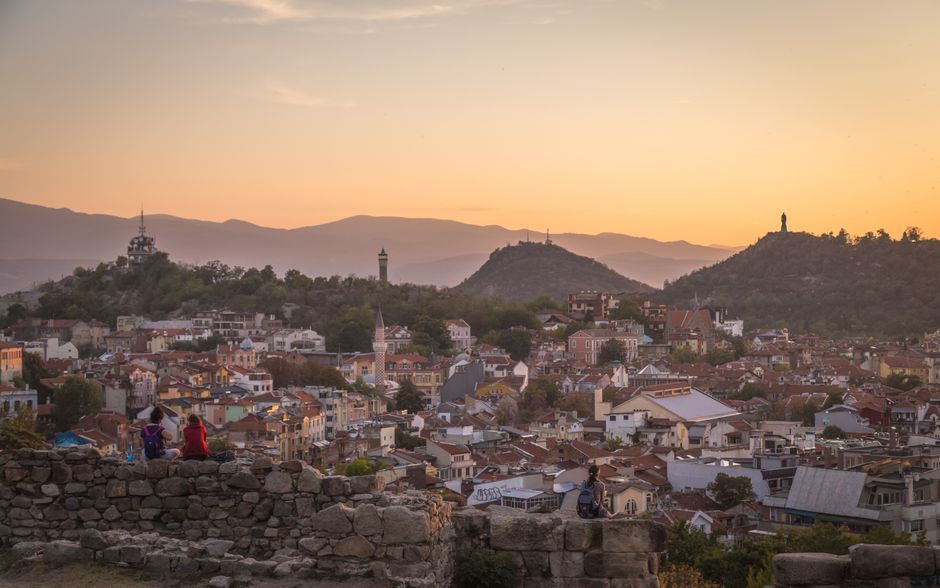
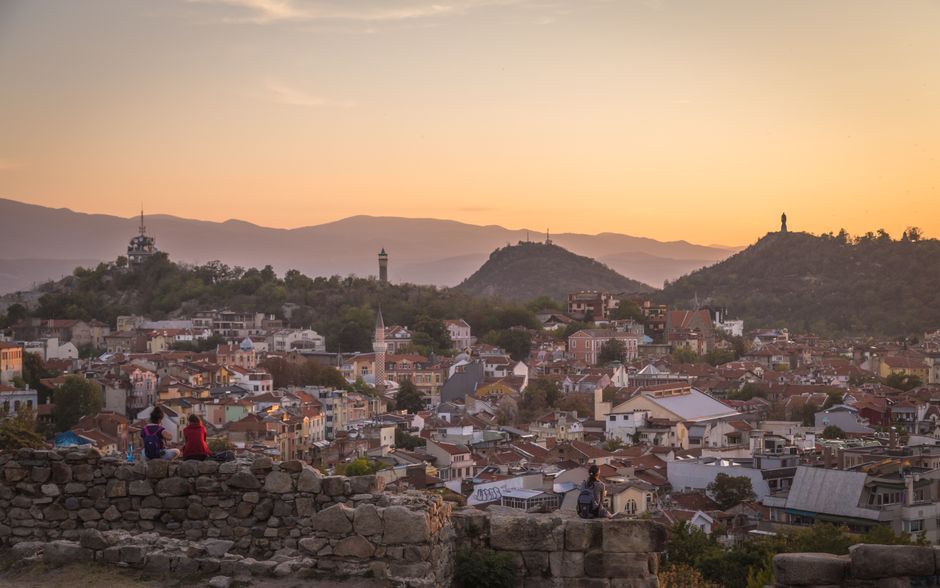
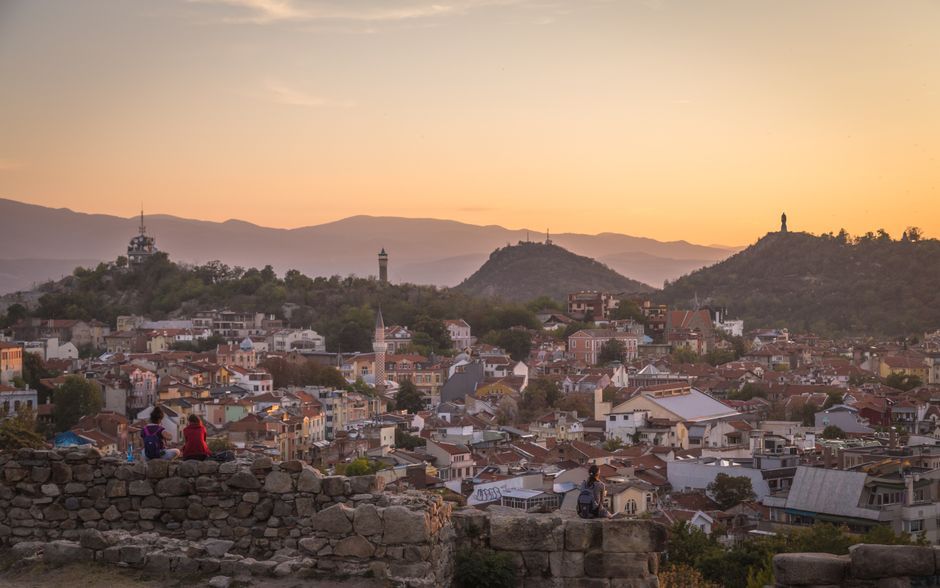
Plovdiv — two hours from Sofia and the highlight. One of the oldest continuously inhabited cities in Europe, with a Roman theatre still used for performances, a hillside old town of merchant houses, and Kapana, a small creative quarter of bars and studios. Three days.
Veliko Tarnovo — the medieval capital, a fortress on a bend in the river, dramatic and cheap. Two days.
Bansko or the Rhodopes for mountains. Bansko is a ski town in winter and a hiking base in summer, and off-season prices are very low.
The Black Sea coast — Sozopol and Nesebar are attractive old towns; Sunny Beach is a package resort. In July and August the coast is the one part of Bulgaria that is not cheap.
Getting around
Buses beat trains on almost every route — faster, more frequent, and still cheap. Sofia to Plovdiv is about two hours; Sofia to Veliko Tarnovo three.
The exception worth taking is the narrow-gauge line from Septemvri to Bansko, which climbs through the Rhodope mountains at walking pace and is one of the more scenic rail journeys in Europe for a few euros.
Bus stations are usually adjacent to train stations and tickets are bought at the counter rather than online for most routes.
Practical notes
Currency. Bulgaria has used the lev, pegged to the euro at roughly 1.96, and has been moving toward euro adoption — check the current position before you travel. Cards work in cities, less reliably in villages.
Cyrillic. Signage is often in Cyrillic only outside the main tourist areas. Learning the alphabet takes about an hour and makes an enormous difference to reading destinations and menus.
Head shakes. Bulgarians traditionally shake the head for yes and nod for no. It is inconsistent with foreigners, which makes it more confusing rather than less — ask for verbal confirmation.
When to go
May, June and September are ideal: warm, everything open, low prices. July and August are hot inland and busy on the coast. Winter is genuinely cheap and Bansko becomes a low-cost ski destination — lift passes are a fraction of Alpine prices, which is the one thing Bulgaria is actively marketed for.